In the world of baking and pastry arts, achieving the perfect whipped cream consistency is both an art and a science. Among the myriad tips and techniques shared by professionals and enthusiasts alike, one piece of advice stands out for its simplicity and effectiveness: chilling heavy cream for at least 12 hours before whipping. This practice, though seemingly straightforward, can dramatically transform your results, leading to stiffer peaks, better stability, and a more polished final product. Whether you're decorating a birthday cake, piping elegant rosettes on a dessert, or simply topping a hot chocolate, understanding why this cold foundation matters can elevate your culinary creations from good to exceptional.
The fundamental reason behind this chilling requirement lies in the physical and chemical properties of cream itself. Heavy cream, also known as double cream in some regions, is an emulsion of fat globules suspended in water. The fat content, typically around 36% or higher, is crucial for whipping success. When cream is cold, the fat molecules are firm and solid. As you whip the cream, you incorporate air bubbles, and these solid fat particles act as a stabilizer by surrounding the air pockets and creating a network that holds them in place. If the cream is too warm, the fat is soft and liquid-like, making it difficult to form and maintain this structure. The result is often a soupy, grainy, or overly liquid whip that deflates quickly and fails to hold its shape, especially in warmer environments.
Refrigeration for a full 12 hours, or even overnight, ensures that not only the cream itself is thoroughly chilled but also that the bowl and beaters you use are cold. Many experts recommend placing your mixing bowl and whisk attachment in the refrigerator for at least 30 minutes before you begin whipping. This extra step prevents the cream from warming up during the whipping process. Even a slight increase in temperature can hinder the formation of stable foam. Think of it like trying to whip butter that's straight from the fridge versus butter that's been left on the counter—the cold, firm fat whips up much more effectively and holds air better. The same principle applies to cream. The prolonged chilling allows the fat to reach an optimal state of firmness throughout the entire volume of liquid, not just on the surface.
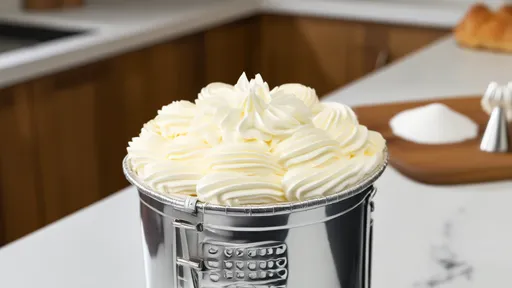
Beyond temperature, the act of whipping itself is a mechanical process that requires attention to detail. Start at a medium speed to incorporate air gradually without splashing. As the cream begins to thicken and soft peaks form, you can increase the speed slightly. Soft peaks mean that when you lift the whisk, the peak that forms will curl over at the tip. For stable piping and decorating, you need to continue whipping to stiff peaks, where the peak stands straight up when the whisk is lifted. However, be cautious not to over-whip, as this will cause the fat to clump together and separate from the liquid, resulting in butter and buttermilk. The window between perfectly stiff peaks and over-whipped cream is narrow, and cold cream provides a bit more leeway, giving you a larger margin for error.
Stability is not just about immediate texture; it's about longevity. Whipped cream made from properly chilled cream will hold its shape for hours, even at room temperature, unlike its warmer counterpart which might weep or collapse within minutes. This is particularly important for desserts that need to be displayed or served after some time, such as wedding cakes, buffet items, or pastries in a bakery case. The stable structure formed by cold fat molecules is more resistant to heat and movement, ensuring that your beautiful designs remain intact from kitchen to table. Some bakers even add stabilizers like powdered sugar (which contains cornstarch), gelatin, or cream of tartar for extra insurance, but starting with ice-cold cream is the non-negotiable foundation.
Another factor to consider is the source and quality of the cream. Not all heavy creams are created equal. Organic or non-homogenized creams often have a higher fat content and larger fat globules, which can whip up even sturdier and richer. However, regardless of the brand or type, the chilling rule remains universal. In fact, if you're using cream that's been sitting in your fridge for a few days, it might even whip better than fresher cream because slight aging can increase acidity, which also aids stabilization. But remember, always check the expiration date and ensure the cream is still fresh and sweet-smelling.
In professional kitchens, this practice is sacrosanct. Pastry chefs plan their mise en place meticulously, always ensuring that cream is chilled well in advance. They might even use chilled marble slabs or ice baths under their mixing bowls during whipping in particularly warm environments. For home bakers, adopting this habit can make a world of difference. Imagine no more sagging rosettes or melted dollops on your pie—just firm, glossy, picture-perfect whipped cream every time. It’s a small step in preparation that yields significant rewards in presentation and texture.
Seasonality also plays a role. During summer months or in hotter climates, keeping everything cold becomes even more critical. The ambient temperature can quickly warm your tools and cream, so work efficiently and consider whipping in an air-conditioned space if possible. Conversely, in winter, you might have a bit more flexibility, but adhering to the 12-hour chill will still produce superior results. It’s a year-round technique that guarantees consistency regardless of external conditions.
In conclusion, the secret to stable, stiff whipped cream worthy of expert piping and decorating isn't a complex additive or a mysterious tool—it's patience and cold. By simply planning ahead and refrigerating your heavy cream for a full 12 hours, you empower the natural fats within to create a strong, airy structure that stands the test of time and temperature. So next time you reach for that carton of cream, remember: the clock starts ticking long before the mixer does. Your future beautifully adorned desserts will thank you for the extra foresight, and your guests will marvel at your professional-looking finishes. Happy whipping!
By /Aug 20, 2025

By /Aug 20, 2025

By /Aug 20, 2025
By /Aug 20, 2025

By /Aug 20, 2025
By /Aug 20, 2025

By /Aug 20, 2025

By /Aug 20, 2025
By /Aug 20, 2025
By /Aug 20, 2025
By /Aug 20, 2025
By /Aug 20, 2025
By /Aug 20, 2025
By /Aug 20, 2025
By /Aug 20, 2025

By /Aug 20, 2025

By /Aug 20, 2025
By /Aug 20, 2025
By /Aug 20, 2025
By /Aug 20, 2025
