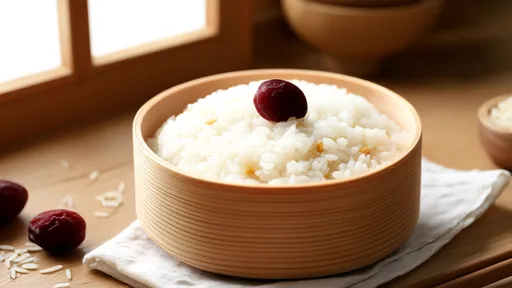
In the quiet hum of a Japanese kitchen, a tradition passed down through generations holds an unexpected scientific secret. For centuries, homemakers have nestled a single pickled plum, known as umeboshi, into the center of rice boxes, believing it would keep the meal fresh until lunchtime. What was once considered folk wisdom is now being validated by modern microbiology, revealing a fascinating intersection between culinary heritage and food science.
The humble umeboshi, with its intensely sour and salty profile, turns out to be a powerful antimicrobial agent. Recent laboratory experiments have demonstrated that rice containing an embedded umeboshi shows significantly slower bacterial growth compared to control samples. This isn't mere superstition—it's a measurable phenomenon with implications for food preservation techniques worldwide.
Researchers at the University of Tokyo's Department of Food Science have been systematically testing this traditional practice. Their controlled experiments involve inoculating rice samples with common foodborne pathogens including Bacillus cereus and Staphylococcus aureus, then monitoring bacterial proliferation over time. The results consistently show that samples containing umeboshi exhibit bacterial counts orders of magnitude lower than identical samples without the pickled plum.
The magic lies in umeboshi's chemical composition. Through the traditional pickling process involving salt and red shiso leaves, these plums develop exceptionally high concentrations of organic acids, particularly citric acid. When embedded in warm rice, these acidic compounds slowly diffuse through the grains, creating an environment hostile to microbial life. The pH level in the surrounding rice drops dramatically, creating conditions where most bacteria struggle to survive, let alone multiply.
What makes this preservation method particularly clever is its delivery system. By placing the umeboshi at the heart of the rice portion, the acids distribute gradually and evenly as the lunchbox sits undisturbed. This creates a concentration gradient that protects the entire portion without requiring artificial preservatives or refrigeration—a crucial advantage in times and places where cooling isn't available.
The antimicrobial effect isn't limited to the immediate vicinity of the plum. Studies using pH-sensitive dyes have visualized how the acidic compounds migrate through the rice matrix over several hours. This diffusion process creates a protective zone that expands to cover most of the container, effectively creating a preserved environment that maintains food safety for up to eight hours at room temperature.
Interestingly, the practice demonstrates sophisticated understanding of food chemistry that predates modern microbiology by centuries. Japanese culinary tradition developed this method through empirical observation long before anyone understood microbial theory. The embedded umeboshi technique represents a beautiful example of how traditional food practices often contain hidden scientific wisdom, developed through generations of trial and error.
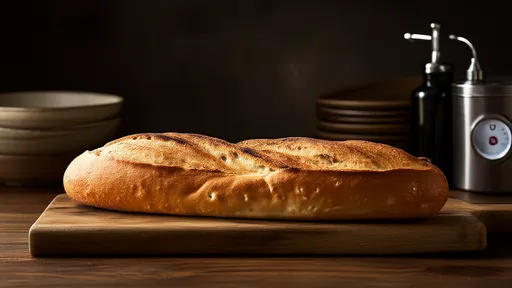
Modern food scientists are now looking at how this principle might be applied beyond traditional bento boxes. The concept of using edible, acid-releasing components as natural preservatives in various food products shows promise for reducing reliance on synthetic additives. Imagine bread with baked-in acidic ingredients that inhibit mold, or prepared meals with natural pH-regulating elements that extend shelf life without artificial chemicals.
The environmental implications are equally compelling. In a world increasingly concerned about food waste and chemical preservatives, such natural methods offer sustainable alternatives. The umeboshi method requires no electricity for refrigeration, creates no packaging waste from preservative additives, and uses a completely biodegradable preservation agent. This aligns perfectly with growing consumer demand for clean-label products and sustainable food practices.
Of course, the umeboshi itself brings more than just preservation benefits. Rich in antioxidants and containing beneficial compounds from the shiso leaves, it adds nutritional value to the meal. The sharp, salty flavor also enhances the eating experience, providing a palate-cleansing contrast to the mild rice. This multifunctionality—preservation, nutrition, and flavor—demonstrates the elegance of traditional food wisdom that addresses multiple needs simultaneously.
As research continues, scientists are quantifying the exact effectiveness of this method. Current findings suggest that under typical conditions, the umeboshi technique can reduce bacterial growth by 90-95% over an eight-hour period compared to unprotected rice. This level of protection meets food safety standards for packed meals, making it both practically useful and scientifically valid.
The cultural aspect shouldn't be overlooked. This preservation method represents more than just practical food safety—it's part of Japan's washoku culinary tradition, recognized by UNESCO as an intangible cultural heritage. The practice embodies a philosophy of working with natural processes rather than against them, of finding solutions within food itself rather than relying on external technologies.
For contemporary applications, researchers are experimenting with variations on this theme. Could other acidic foods provide similar protection? Preliminary studies with pickled ginger, lemon slices, and other high-acid ingredients show promising results, though none quite match the effectiveness of traditional umeboshi. The unique combination of acids and compounds from the shiso leaves appears to create a particularly potent antimicrobial cocktail.
Food manufacturers are taking note. Several companies are developing packaging materials that slowly release food-safe acids, mimicking the umeboshi effect without altering the food's flavor profile. Others are creating edible "preservation dots" made from concentrated fruit acids that can be placed in food containers. These innovations, inspired by traditional wisdom, could revolutionize how we preserve food without artificial additives.
The implications for global food security are substantial. In developing regions where refrigeration is scarce and foodborne illness remains a major health concern, such simple, natural preservation methods could save lives. Educational programs teaching modified versions of this technique, using locally available acidic foods, might provide affordable food safety solutions for communities without access to modern preservation technologies.
As we move toward more natural and sustainable food systems, looking backward sometimes provides the best way forward. The umeboshi method reminds us that sometimes the most elegant solutions have been hiding in plain sight, perfected over centuries of cultural practice. In our rush toward high-tech solutions, we risk overlooking the sophisticated wisdom embedded in traditional food cultures around the world.
Next time you see that bright red plum nestled in a bed of rice, remember you're witnessing more than just a pretty presentation. You're seeing centuries of culinary evolution, a perfect marriage of tradition and science, and a powerful natural preservation system that modern microbiology is only beginning to fully understand. It serves as a humble reminder that sometimes, the oldest solutions remain the most brilliant.
By /Aug 20, 2025

By /Aug 20, 2025

By /Aug 20, 2025
By /Aug 20, 2025

By /Aug 20, 2025
By /Aug 20, 2025

By /Aug 20, 2025
By /Aug 20, 2025
By /Aug 20, 2025
By /Aug 20, 2025
By /Aug 20, 2025
By /Aug 20, 2025
By /Aug 20, 2025
By /Aug 20, 2025
By /Aug 20, 2025
By /Aug 20, 2025

By /Aug 20, 2025
By /Aug 20, 2025
By /Aug 20, 2025

By /Aug 20, 2025
